
Background
Effective mine water management begins with a clear understanding of water characteristics and how water moves across the mining area. For nickel mining operations, variations in water quality, flow patterns, and hydraulic loads can significantly affect the performance and capacity of existing water management and treatment systems.
In 2026, PT Sulawesi Cahaya Mineral engaged Ganeca Environmental Services to conduct a wastewater characterization study for its nickel mining operations. The study was designed not only to understand the characteristics of mine water, but also to provide a stronger technical foundation for future water management and treatment strategies.
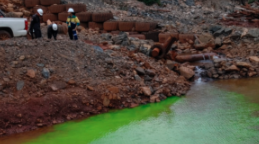
Gambar 1. Sumber PT Sulawesi Cahaya Mineral
The Challenge
Mine water management involves more than assessing water quality alone. High and fluctuating flow rates, limited sediment pond capacity, and varying runoff conditions across the mining area can create significant hydraulic challenges.
The key challenge was to develop a comprehensive understanding of both water characteristics and flow distribution within the IUP area, while identifying practical strategies to manage peak flows and maintain a more stable hydraulic load to downstream treatment facilities.
Ganeca's Solution
Ganeca conducted a comprehensive approach combining mine water characterization, flow distribution assessment, and technical water management planning. The study evaluated the characteristics of mine water to support the development of appropriate treatment strategies, including considerations for sedimentation infrastructure and potential treatment requirements.
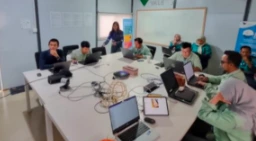
As part of the broader assessment, Ganeca also evaluated flow distribution across the IUP area to strengthen hydrological planning and improve the overall mine water management system. To further support the client's technical capacity, Ganeca conducted a Mine Water Characterization and Management Workshop, providing the project team with a stronger understanding of the relationship between water characteristics, hydraulic loads, and treatment system requirements. Several flow control strategies were also discussed, including:
· Detention ponds to temporarily store runoff and reduce peak discharge.
· Retention ponds to provide longer-term storage and slow the release of water from the system.
These approaches were considered to help reduce peak flows, stabilize the hydraulic load entering treatment facilities, and increase water residence time—particularly in areas where sediment ponds have limited capacity to accommodate high hydraulic loads.
Results and Benefits
The study provided PT Sulawesi Cahaya Mineral with a stronger technical basis for improving its mine water management strategy.
Key benefits included:
· A better understanding of the characteristics of mine wastewater
· Technical input for determining appropriate sedimentation and treatment strategies
· Improved understanding of flow distribution within the mining area
· Identification of potential strategies to manage peak discharge and hydraulic loads
· Strengthened technical capacity through a dedicated mine water management workshop
· A clearer foundation for future hydrological planning and water management system development
Conclusion
Effective mine water management requires an integrated understanding of water quality, flow behavior, hydraulic capacity, and treatment requirements. Through a combination of scientific characterization, hydrological assessment, technical planning, and knowledge sharing, Ganeca Environmental Services supported PT Sulawesi Cahaya Mineral in developing a stronger foundation for more effective and sustainable mine water management.